
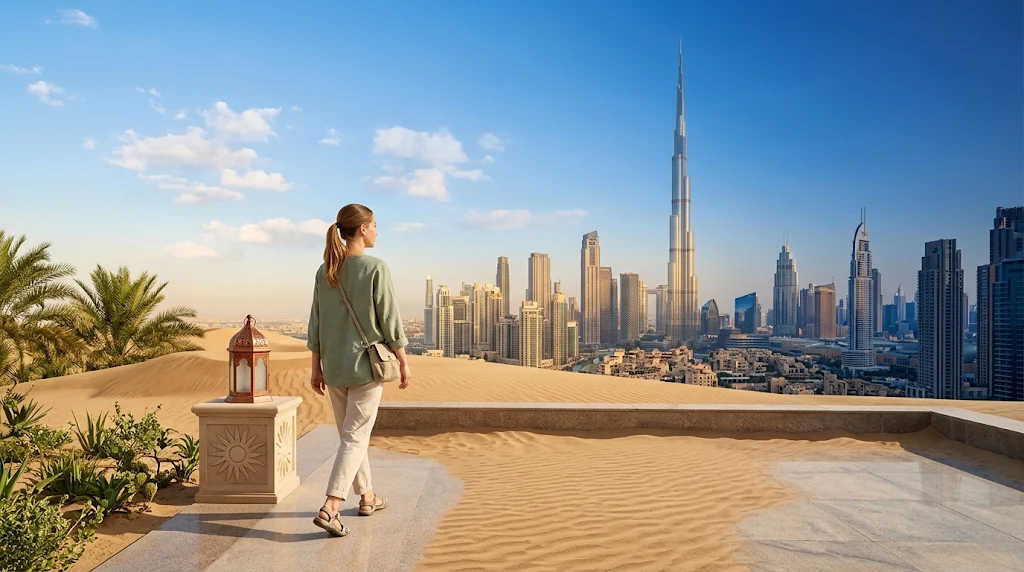
Understanding the weather is an important part of planning a trip to the United Arab Emirates. The UAE is known for its sunny days, hot summers, mild winters and occasional rainfall. However, weather conditions can feel different depending on the month, emirate and type of activity you have planned.
A day exploring outdoor attractions in Dubai may require different preparation from a visit to an indoor shopping mall in Abu Dhabi or a mountain trip in Ras Al Khaimah. Knowing what to expect can help you choose suitable clothes, plan outdoor activities and avoid uncomfortable travel conditions.
This UAE weather guide for tourists explains the country’s seasons, what each part of the year is generally like, when rain is more likely and what to pack before travelling.
What Is the Weather Like in the UAE?
The UAE has a predominantly desert climate. Most of the country experiences long, hot summers and relatively mild winters. Sunshine is common throughout the year, while rainfall is generally limited and irregular.
Weather conditions are not exactly the same across every emirate. Coastal destinations such as Dubai, Abu Dhabi and Sharjah can feel humid, especially during summer. Inland desert areas may experience greater differences between daytime and nighttime temperatures. Mountain areas, particularly around Ras Al Khaimah, can be cooler than the surrounding lowlands.
For tourists, the main seasonal difference is between the cooler outdoor-friendly months and the hotter summer period.
UAE Weather by Season
Understanding the seasons is often more useful than looking at a single temperature because your experience depends on humidity, sunshine, wind and the activities you plan to enjoy.
Winter: December to February
Winter is generally one of the most comfortable periods for visiting the UAE. Days are usually mild, and evenings can feel cool, particularly in desert areas and open spaces.
This season is popular for outdoor activities such as:
- Walking around waterfront areas
- Visiting parks and outdoor attractions
- Exploring traditional markets
- Enjoying desert experiences
- Taking sightseeing tours
You may not need heavy winter clothing, but a light jacket or sweater can be useful in the evening. Air-conditioned indoor places can also feel cool compared with the outdoor temperature.
December, January and February are busy travel months in many popular destinations. If you are planning a winter trip, read our guide to the best places to visit in the UAE in December.
Spring: March to April
Spring is a transition period between the cooler winter season and the hotter summer months.
March can still be comfortable for many outdoor activities, although temperatures gradually increase. April is usually warmer, and the afternoon sun can become strong.
Tourists visiting during spring should consider:
- Planning outdoor sightseeing earlier in the day
- Carrying drinking water
- Wearing lightweight and breathable clothing
- Using sun protection
- Keeping indoor activities as an alternative
Spring can be a suitable time for visitors who want to enjoy outdoor attractions while preparing for warmer conditions.
Summer: May to September
Summer is the hottest period in the UAE. Temperatures can become extremely high, and coastal areas may also experience high humidity.
Outdoor sightseeing during the middle of the day can be uncomfortable. Visitors should be particularly careful when planning long walks, desert activities or other outdoor experiences.
During summer, tourists often prefer indoor attractions such as:
- Shopping malls
- Museums and indoor exhibitions
- Indoor entertainment centres
- Restaurants and cafés
- Indoor family attractions
If you plan to explore outside, choose cooler parts of the day and follow local safety advice. Drink water regularly and take breaks in shaded or air-conditioned places.
Lightweight clothing can make the heat easier to manage, but clothing should also be suitable for the places you plan to visit.
Autumn: October to November
Autumn is another transition period. The intense summer heat gradually starts to ease, making outdoor activities more comfortable as the season progresses.
October can still be warm, particularly during the afternoon. November is generally more pleasant for sightseeing and outdoor plans.
This period can be useful for tourists who want to explore attractions, walk around public areas and enjoy outdoor dining without the strongest summer conditions.
UAE Weather Month by Month
The following table gives a general seasonal overview. It is not a daily forecast or a guarantee of the conditions you will experience. Actual weather can vary from year to year and between different parts of the country.
| Month | General Weather | Travel Considerations |
|---|---|---|
| January | Mild and relatively cool | Carry a light jacket for evenings |
| February | Mild, with gradually warmer days | Suitable for many outdoor plans |
| March | Warm and becoming hotter | Plan outdoor activities earlier |
| April | Warm to hot | Use sun protection |
| May | Hot | Prefer indoor activities during peak afternoon heat |
| June | Very hot and often humid | Limit prolonged outdoor exposure |
| July | Very hot and humid in coastal areas | Plan around indoor attractions |
| August | Very hot and humid in many areas | Carry water and avoid midday outdoor plans |
| September | Hot, with gradual seasonal transition | Check conditions before outdoor activities |
| October | Warm, gradually becoming more comfortable | Flexible sightseeing plans are useful |
| November | Generally pleasant and mild | Good conditions for many outdoor activities |
| December | Mild, with cooler evenings | Pack a light layer for nighttime |
Does It Rain in the UAE?
Yes, it does rain in the UAE, but rainfall is generally limited compared with countries that have regular rainy seasons.
Rain is more likely during the cooler part of the year, although it can occur at other times too. Some years experience very little rainfall, while other periods can have heavier showers.
When rain occurs, conditions can change quickly. Roads may become slippery, visibility can decrease and some outdoor plans may need to be adjusted.
Tourists should keep these points in mind:
- Check the weather forecast before travelling to outdoor destinations.
- Allow extra time for road journeys during rainy conditions.
- Follow local announcements and safety instructions.
- Avoid driving through flooded roads or water-covered areas.
- Keep an alternative indoor activity in your travel plan.
Rainfall is not usually a reason to avoid visiting the UAE, but checking local conditions is important.
Is the UAE Humid or Dry?
The answer depends on where you are travelling.
Coastal cities such as Dubai, Abu Dhabi and Sharjah can experience high humidity, particularly during the summer. Even when the temperature is not at its highest, humidity can make the air feel much warmer.
Inland desert locations may feel drier, while mountain areas can have different conditions because of their elevation.
Humidity can affect how comfortable outdoor activities feel. Visitors who are not used to hot and humid weather should take breaks, drink water and avoid spending long periods outside during the hottest part of the day.
What Is the Best Time to Visit the UAE?
For many tourists, the period from November to March is a comfortable choice because outdoor conditions are generally milder.
However, the best time depends on your travel priorities.
For Outdoor Sightseeing
November to March is generally a good period for walking tours, parks, waterfront areas and outdoor attractions.
For Budget-Conscious Travellers
Some visitors consider the hotter months because indoor attractions and hotel options may offer different seasonal deals. However, prices and availability vary, so compare the full cost of your trip rather than assuming summer is always cheaper.
For Shopping and Indoor Attractions
Indoor attractions can be enjoyed throughout the year. Shopping malls, museums, restaurants and entertainment venues make it possible to plan a trip even during hot weather.
For Desert Experiences
The cooler months are generally more comfortable for outdoor desert activities. Always check the operator’s schedule and local weather conditions before booking.
What Clothes Should You Pack for the UAE?
Your packing list should depend on the month, emirate and activities included in your itinerary.
Clothes for Winter
During the cooler months, pack:
- Comfortable everyday clothes
- Light sweaters or jackets
- Long trousers
- Comfortable walking shoes
- A slightly warmer layer for cool evenings
Heavy winter clothing is not usually necessary for most lowland city visits, but mountain destinations can be cooler.
Clothes for Summer
For summer travel, consider:
- Lightweight and breathable clothing
- Comfortable walking shoes or sandals
- A hat or cap for outdoor use
- Sunglasses
- Clothes suitable for indoor and public places
Remember that shopping malls, hotels and public transport can be strongly air-conditioned. Carrying a light extra layer may be useful.
Clothes for Spring and Autumn
These seasons can have changing conditions. Pack lightweight clothes and one extra layer so you can adjust when the weather changes.
For a more complete checklist, read our Dubai packing list for tourists.
Weather Differences Between UAE Emirates
Although the UAE shares a broadly desert climate, each emirate can offer a slightly different weather experience.
Dubai
Dubai has a hot desert climate, with warm winters and very hot summers. Coastal humidity can make summer conditions feel more uncomfortable.
Visitors can combine outdoor sightseeing during comfortable hours with indoor attractions during hotter periods.
Abu Dhabi
Abu Dhabi also experiences hot summers and mild winters. Coastal conditions can be humid, while outdoor attractions are generally more comfortable during the cooler months.
Sharjah
Sharjah has similar seasonal patterns to Dubai. Visitors should prepare for hot summers and cooler winter evenings.
Ras Al Khaimah
Ras Al Khaimah includes coastal, desert and mountainous areas. Higher elevations can be noticeably cooler than the lowlands, especially during the cooler season.
Fujairah
Fujairah is on the UAE’s eastern coast. Its coastal and mountainous surroundings can create different local conditions from those experienced in the country’s western areas.
If you are travelling between emirates, check the forecast for your actual destination rather than relying only on the weather in Dubai.
How to Stay Comfortable During Hot Weather
Hot weather requires sensible planning, particularly for visitors who are not accustomed to desert climates.
Here are some practical tips:
- Plan outdoor activities carefully: Choose cooler hours rather than spending long periods outside around midday.
- Drink water regularly: Do not wait until you feel very thirsty.
- Use sun protection: Sunglasses, a hat and suitable sunscreen can help protect you from strong sunlight.
- Take breaks: Use shaded areas and air-conditioned places when needed.
- Wear suitable clothing: Lightweight, breathable clothes can improve comfort.
- Check activity conditions: Some outdoor experiences may change their schedules because of weather.
- Pay attention to warnings: Follow official local guidance during extreme heat, rain or other unusual conditions.
Visitors with children or older family members should be especially thoughtful when planning extended outdoor activities in hot weather.
Should You Check the Weather Before Travelling to the UAE?
Yes. Checking the forecast before departure and during your stay can help you make better decisions.
A general seasonal guide is useful for packing, but it cannot tell you whether it will rain on a particular day or how humid a specific afternoon will feel.
Before leaving your hotel, check:
- The expected daytime and nighttime conditions
- The chance of rain
- Humidity levels
- Any weather warnings
- Conditions at outdoor attractions
If your itinerary includes more than one emirate, check the forecast for each destination.
Frequently Asked Questions
Which month has the best weather in the UAE?
November to March is generally considered one of the most comfortable periods for outdoor sightseeing. Conditions still vary by location and year.
Is the UAE too hot in summer for tourists?
The UAE can be extremely hot during summer, particularly from June to August. Tourists can still visit, but they should plan around indoor attractions, avoid prolonged outdoor exposure during peak heat and follow local safety advice.
Does it snow in the UAE?
Snow is not a normal feature of the UAE’s lowland cities. Higher mountain areas can occasionally experience unusually cold winter conditions, but snowfall is rare.
Does it rain a lot in Dubai?
No. Dubai generally receives limited rainfall. Showers can occur, particularly during the cooler season, but regular heavy rain is not typical.
Do tourists need winter clothes in the UAE?
Most tourists do not need heavy winter clothing for ordinary city visits. A light jacket or sweater can be useful during winter evenings and in strongly air-conditioned indoor places.
Is December a good month to visit the UAE?
December is generally a comfortable month for outdoor sightseeing, with milder daytime conditions and cooler evenings. It is also a popular travel period, so planning ahead can be helpful.
Is the UAE weather the same in every emirate?
No. Coastal humidity, inland desert conditions and mountain elevations can create differences. Check the forecast for the specific emirate and destination you plan to visit.
Final Thoughts
The UAE can be visited throughout the year, but the weather has a major effect on how you plan your activities. Winter is generally more comfortable for outdoor sightseeing, while summer is better suited to visitors who are happy to focus more on indoor attractions and plan outdoor activities carefully.
Before travelling, check the forecast, pack clothes suitable for the season and keep your itinerary flexible. A little preparation can make your UAE trip more comfortable, whether you are visiting Dubai, Abu Dhabi, Sharjah, Ras Al Khaimah or another emirate.