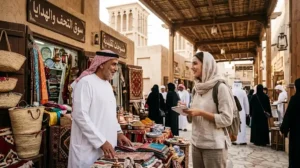
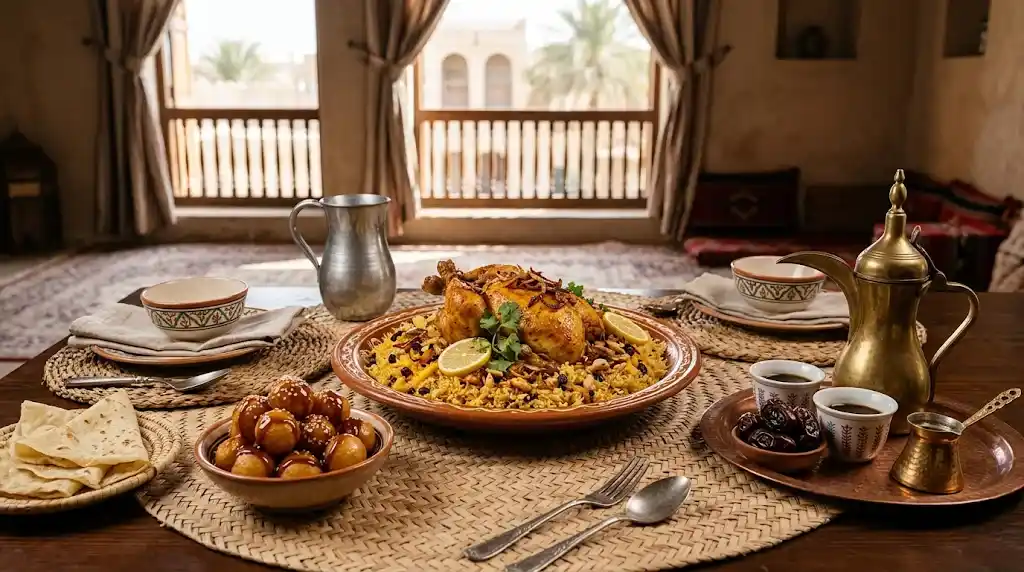
Food is an important part of discovering a new country. During a visit to the United Arab Emirates, tourists can experience much more than international restaurants and familiar fast-food chains. The country’s food culture includes traditional Emirati dishes, Arabic grilled food, rice meals, fresh seafood, dates, sweets and flavours influenced by different communities.
Whether you are visiting Dubai, Abu Dhabi, Sharjah or another emirate, trying local food can make your trip more memorable. However, visitors who are unfamiliar with Emirati cuisine may not know which dishes to order or what ingredients to expect.
This UAE food guide for tourists introduces traditional dishes, popular meals, desserts and dining customs. It also explains how to choose restaurants and make food choices that suit your preferences.
What Is Emirati Food?
Emirati cuisine developed from the country’s desert environment, coastal communities and trading history. Traditional meals often use rice, meat, fish, dates, spices and ingredients that were practical to store and prepare.
Food traditions also reflect the UAE’s connections with other parts of the Arabian Peninsula, South Asia, East Africa and the wider Middle East.
Some traditional dishes are prepared for family gatherings, celebrations and special occasions. Others are enjoyed as everyday meals.
When exploring Emirati food, you may notice ingredients such as:
- Rice
- Chicken, lamb and fish
- Dates
- Saffron
- Cardamom
- Cinnamon
- Dried lime
- Local herbs and spice blends
The flavour of a dish can vary between restaurants and households, so the same traditional meal may not taste exactly the same everywhere.
Traditional Emirati Dishes Tourists Should Try
If you want to explore local food, these dishes are a useful starting point. Ask the restaurant about ingredients and preparation if you have dietary preferences or allergies.
1. Al Machboos
Al Machboos is one of the best-known traditional dishes in the UAE. It is generally prepared with rice, meat or fish, and a mixture of aromatic spices.
The ingredients are cooked together to develop a rich flavour. Dried lime, often called loomi, is commonly used to add a distinctive taste.
Chicken and lamb versions are popular, while seafood variations can also be found.
What to expect: A filling rice meal with fragrant spices and tender meat or fish.
Who might enjoy it: Travellers who like traditional rice dishes and savoury meals.
2. Harees
Harees is a traditional dish made mainly from wheat and meat. The ingredients are cooked slowly until they form a thick, soft consistency.
It is especially associated with Ramadan and special occasions, although availability depends on the restaurant and season.
Harees is usually mild compared with heavily spiced dishes, making it an interesting option for visitors who prefer simpler flavours.
What to expect: A soft, thick meal with a smooth texture.
Who might enjoy it: Visitors who like slow-cooked food and hearty traditional dishes.
3. Thareed
Thareed is a traditional dish made with bread, vegetables and a meat-based stew. The bread absorbs the flavour of the sauce, creating a soft and satisfying meal.
It is often prepared with chicken or lamb and can include vegetables such as potatoes and other seasonal ingredients.
What to expect: A warm stew served with bread that has absorbed the cooking liquid.
Who might enjoy it: Travellers who enjoy stews, bread-based meals and comforting food.
4. Madrouba
Madrouba is a soft, thick dish prepared with rice and other ingredients, commonly including chicken or fish. The ingredients are cooked until they become a blended, porridge-like mixture.
Its consistency makes it different from ordinary rice dishes.
Recipes vary, so ask about the ingredients before ordering, especially if you have dietary restrictions.
What to expect: A creamy-textured savoury meal with a mild or moderately spiced flavour, depending on preparation.
5. Balaleet
Balaleet is a traditional breakfast dish that combines sweet vermicelli with an egg topping.
The vermicelli is usually flavoured with ingredients such as cardamom, saffron and sugar. The combination of sweet noodles and egg creates a distinctive contrast.
What to expect: A sweet and lightly aromatic breakfast dish.
Who might enjoy it: Visitors who like trying unusual breakfast combinations.
6. Regag Bread
Regag is a thin, traditional bread that is cooked on a hot surface. It is often served with different toppings or fillings.
Depending on the preparation, it may be enjoyed with cheese, eggs or other ingredients.
Its thin texture makes it a popular choice for a light meal or snack.
What to expect: Thin, crispy or soft flatbread depending on how it is prepared.
7. Saloona
Saloona is a traditional stew that can be prepared with chicken, meat or fish and vegetables.
The dish usually includes a tomato-based sauce and spices. It is commonly served with rice or bread.
Different restaurants may prepare it in different ways, so the flavour and thickness of the sauce can vary.
What to expect: A warm, savoury stew with vegetables and your chosen protein.
8. Emirati Seafood Dishes
The UAE has a long coastal history, so seafood has an important place in its food traditions.
Depending on the restaurant and location, you may find grilled fish, seafood rice and fish-based stews.
Traditional preparations can use local spices, rice and ingredients that complement the seafood.
What to expect: Fresh seafood prepared with regional flavours.
Visitors who enjoy fish should consider trying a local seafood restaurant during their trip.
Popular Emirati Desserts and Sweet Treats
Traditional desserts are another part of the UAE’s food culture. Many use dates, flour, syrup, spices or other ingredients commonly found in the region.
Luqaimat
Luqaimat are small fried dough balls that are usually served with date syrup or another sweet topping.
They have a soft interior and a lightly crisp outside. They are especially popular during Ramadan and at traditional food gatherings.
For many visitors, luqaimat are an easy introduction to Emirati sweets.
Khabeesa
Khabeesa is a traditional sweet dish generally made with flour, sugar and aromatic ingredients such as saffron or cardamom.
Its texture and preparation can vary, but it is often served warm.
Dates
Dates are an important part of hospitality in the UAE. They may be served to guests with Arabic coffee and are available in many varieties.
You can find dates in supermarkets, traditional markets and specialist shops. Some are plain, while others are filled with nuts or covered with chocolate.
Arabic Coffee
Arabic coffee, often called gahwa, is an important part of hospitality and social gatherings.
It is commonly flavoured with cardamom and may include other spices. It is traditionally served in small cups, often alongside dates.
If you are offered Arabic coffee, it can be a nice opportunity to experience a local hospitality tradition.
What Do People Commonly Eat for Breakfast in the UAE?
Breakfast options in the UAE vary because the country has a diverse population. Visitors can find traditional Emirati breakfasts alongside Arabic, South Asian, European and international choices.
Some traditional options include:
- Balaleet
- Regag bread
- Eggs with bread
- Dates
- Arabic coffee
- Cheese and flatbread
Many hotels also serve international breakfast buffets, so tourists can choose familiar meals if they do not want to try something new every morning.
If you want to explore local breakfast food, look for cafés or restaurants that specifically offer Emirati dishes.
Where Can Tourists Try Traditional Emirati Food?
Traditional food is available in different parts of the UAE, but not every restaurant specialises in Emirati cuisine.
Here are some useful places to look.
Traditional Emirati Restaurants
Restaurants specialising in Emirati cuisine are a good starting point if you want to try dishes such as machboos, harees and thareed.
Check the menu before visiting because some restaurants offer traditional dishes only on selected days or during particular meal periods.
Local Cafés
Some cafés serve traditional breakfast dishes, Arabic coffee, dates and regional snacks.
They can be a convenient option if you want to try a small selection rather than order a full meal.
Food Areas and Traditional Markets
Traditional markets and older neighbourhoods can provide opportunities to explore local food businesses.
However, a market is not automatically a traditional Emirati dining destination. Check individual menus and choose places that clearly identify the dishes they serve.
Hotel Restaurants
Hotels often offer a mixture of international and regional food. Some also feature Emirati dishes on their menus or during special dining events.
Ask the restaurant staff whether traditional local dishes are available.
How Much Should Tourists Budget for Food in the UAE?
Food costs depend on the emirate, restaurant type, location, portion size and your dining preferences.
A simple meal from a casual restaurant will generally cost less than dining at a luxury hotel or high-end restaurant.
Your food budget may include:
- Breakfast
- Lunch
- Dinner
- Snacks and drinks
- Occasional desserts or speciality meals
If you want to control your spending, compare menus before choosing a restaurant. You can also mix casual dining with occasional special meals.
For a broader overview of trip expenses, read our Dubai travel budget guide.
UAE Dining Customs Tourists Should Know
Understanding a few dining customs can help visitors feel more comfortable when eating in the UAE.
Accepting Food and Drinks
Hospitality is an important part of local culture. You may be offered Arabic coffee or dates when visiting certain traditional settings.
If you accept, take a small portion and enjoy the experience. If you do not want anything, a polite response is perfectly fine.
Eating with Your Right Hand
In traditional settings, eating with the right hand is a common custom, particularly when sharing food. However, restaurants also provide cutlery for guests who prefer to use it.
Sharing Meals
Some traditional meals are served in large portions for sharing. If you are unfamiliar with a dish, ask the restaurant staff how it is normally served.
Respecting Ramadan Practices
During Ramadan, dining arrangements and opening times can differ from the rest of the year. Some restaurants adjust their schedules, while iftar meals are served after sunset.
Check restaurant timings during your visit and be respectful of local customs.
Tipping at Restaurants
Tipping practices can vary. Some restaurants include a service charge, while others may leave tipping to the customer’s discretion.
Check your bill before deciding whether to leave an additional tip.
How to Find Food That Matches Your Dietary Preferences
The UAE has a wide variety of restaurants, but it is still important to check ingredients and preparation methods.
Halal Food
Halal food is widely available in the UAE. However, visitors who have specific dietary requirements should still check the restaurant’s information and ask staff about ingredients.
Vegetarian Food
Vegetarian options can include salads, vegetable rice, bread, lentil dishes and meat-free regional meals.
Some dishes may contain meat stock or animal-based ingredients, so confirm the preparation if this matters to you.
Vegan Food
Vegan choices vary by restaurant. Ask whether dishes contain dairy, eggs, butter, honey or other animal-derived ingredients.
Food Allergies
If you have a food allergy, clearly explain it to restaurant staff before ordering. Ask about ingredients and possible cross-contact during food preparation.
Do not assume a dish is safe simply because its name does not mention an ingredient.
Practical Tips for Trying Emirati Food
You do not need to order a large meal to explore the country’s food culture. A few practical steps can make the experience easier.
- Start with familiar ingredients: If you are unsure what to order, try a rice dish or bread-based meal.
- Ask about spice levels: Some dishes are mild, while others use stronger spice combinations.
- Try small portions first: This lets you explore different flavours without ordering too much food.
- Check the menu: Ask whether a dish contains meat, seafood, dairy or other ingredients you avoid.
- Explore regional restaurants: Do not limit your food experience to international hotel restaurants.
- Try traditional drinks: Arabic coffee is a useful way to experience local hospitality.
- Check opening times: Restaurant hours may change during Ramadan and public holidays.
Frequently Asked Questions
What is the most famous traditional food in the UAE?
Al Machboos is one of the best-known traditional Emirati dishes. It is usually prepared with rice, meat or fish and aromatic spices.
What should tourists eat in the UAE?
Tourists can try machboos, harees, thareed, balaleet, regag bread, luqaimat and dates. The best choices depend on personal taste and dietary preferences.
Is Emirati food spicy?
Some Emirati dishes use several spices, but they are not all extremely hot. Many traditional meals focus on aroma and flavour rather than strong chilli heat.
Is vegetarian food available in the UAE?
Yes. Vegetarian food is available in many restaurants, including vegetable dishes, salads, bread, rice meals and international cuisine. Ask about ingredients if you follow a strict vegetarian diet.
What is a traditional Emirati breakfast?
Traditional breakfast options can include balaleet, regag bread, eggs, dates and Arabic coffee. Availability varies between restaurants.
What is luqaimat?
Luqaimat are small fried dough balls commonly served with date syrup or a sweet topping. They are a popular traditional dessert.
Is Arabic coffee popular in the UAE?
Yes. Arabic coffee is an important part of local hospitality and is often served with dates during social visits and gatherings.
Can tourists find international food in the UAE?
Yes. The UAE has a diverse dining scene, with restaurants serving food from many countries alongside traditional Emirati cuisine.
Final Thoughts
Exploring local food is one of the most enjoyable ways to learn about the UAE. Traditional dishes such as machboos, harees and thareed offer a glimpse into the country’s food heritage, while luqaimat, dates and Arabic coffee introduce visitors to its sweet flavours and hospitality traditions.
You do not need to try everything in one day. Start with a few traditional dishes, ask about the ingredients and explore restaurants that specialise in local cuisine.
Whether you are spending a weekend in Dubai or travelling across several emirates, including traditional Emirati food in your plans can make your UAE experience more memorable.