The United Arab Emirates is known for its modern cities, impressive architecture and luxury attractions. However, the country also has a rich natural and cultural heritage that visitors can discover beyond its famous urban destinations.
One place that offers a different experience is Al Ain Oasis. Located in the Garden City of Al Ain, this historic oasis is known for its date palm gardens, shaded pathways and traditional irrigation system.
Unlike busy shopping districts and modern entertainment attractions, Al Ain Oasis provides a peaceful environment where visitors can explore greenery, learn about traditional farming and understand how communities in the region used limited water resources.
Whether you are interested in history, nature, photography or a relaxing walk, Al Ain Oasis can be a worthwhile stop during a visit to the UAE.
This guide explains what makes the oasis special, what visitors can see, how to plan a visit and what to know before travelling.
What Is Al Ain Oasis?
Al Ain Oasis is a historic agricultural oasis in the city of Al Ain, Abu Dhabi Emirate, United Arab Emirates.
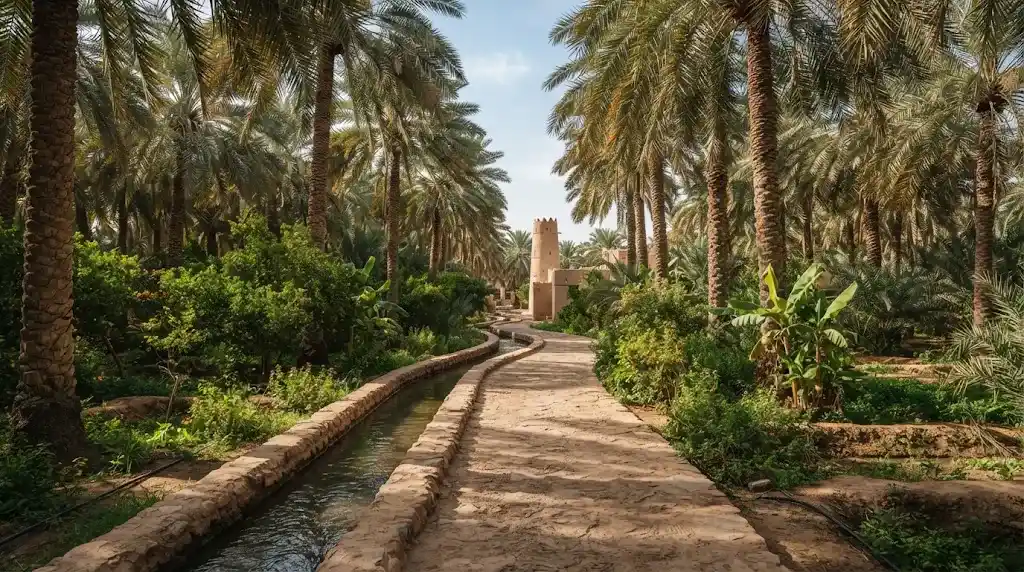
It is recognised for its extensive date palm gardens, traditional farming landscape and falaj irrigation system. The oasis demonstrates how communities in this region developed ways to manage water and grow crops in an environment where natural water resources were limited.
The shaded pathways and rows of palm trees create a calm atmosphere that feels very different from the surrounding city.
Al Ain Oasis is also part of the wider cultural landscape of Al Ain, a city with a long history of settlement and agriculture.
For travellers, it offers an opportunity to explore an important part of the UAE’s heritage while enjoying a peaceful outdoor environment.
Where Is Al Ain Oasis Located?
Al Ain Oasis is located in central Al Ain, within the Emirate of Abu Dhabi.
The oasis is situated near other historic and cultural attractions in the city, making it possible to include it in a wider Al Ain sightseeing itinerary.
If you are travelling from Dubai or Abu Dhabi city, plan your journey in advance because Al Ain is a separate city and the drive takes time.
Once you reach Al Ain, consider combining the oasis with nearby heritage attractions rather than making several separate journeys across the city.
Why Is Al Ain Oasis Famous?
Al Ain Oasis is known for more than its greenery. It represents an important part of the region’s agricultural and cultural history.
1. Traditional Date Palm Gardens
Date palms are one of the most recognisable features of the oasis.
For generations, date palms have been important to communities across the Arabian Peninsula. They provide dates, create shade and form part of traditional agricultural landscapes.
Walking through Al Ain Oasis allows visitors to see how palm gardens are arranged and how farming has been maintained in the region.
2. The Traditional Falaj Irrigation System
One of the most interesting features of Al Ain Oasis is its traditional falaj irrigation system.
A falaj is a water channel system used to distribute water to agricultural land. These systems helped communities bring water from underground sources or other collection points to farms and gardens.
The falaj system is an important example of traditional water management.
Visitors can learn how this approach supported agriculture in a dry environment and helped communities maintain productive gardens.
3. A Peaceful Green Environment
The oasis offers a different atmosphere from the busy roads and buildings of modern Al Ain.
Tall palm trees provide shade along many pathways, while the agricultural surroundings create a relaxing environment.
It can be an appealing place for visitors who want a break from crowded attractions and prefer a slower sightseeing experience.
4. Cultural and Historical Importance
Al Ain has a long history of settlement and agricultural activity.
Its oasis landscapes help explain how people adapted to the local environment and developed communities around available water resources.
For travellers interested in UAE history, Al Ain Oasis offers more than a scenic walk. It provides a connection to the traditional way of life in the region.
Best Things to Do at Al Ain Oasis
There are several ways to enjoy a visit to Al Ain Oasis. You do not need a complicated schedule; many visitors can explore the main pathways and learn about the agricultural landscape at a comfortable pace.
1. Walk Through the Palm Gardens
Walking through the date palm gardens is one of the main experiences at Al Ain Oasis.
The pathways allow visitors to explore the agricultural surroundings while enjoying the shade of the palm trees.
Take your time and observe the different sections of the oasis. The layout offers an opportunity to appreciate how traditional farming spaces were organised.
Wear comfortable shoes, particularly if you plan to explore several pathways.
2. Learn About the Falaj Irrigation System
The traditional irrigation system is an important part of the oasis experience.
Look for visitor information and interpretive displays that explain how water was distributed through the gardens.
Understanding the falaj system makes the visit more meaningful because it shows how communities developed practical solutions for farming in a dry climate.
3. Enjoy Nature Photography
Al Ain Oasis offers opportunities for photography, especially for visitors interested in nature and traditional landscapes.
The palm trees, shaded paths and agricultural surroundings provide a different subject from the modern skyline commonly associated with the UAE.
Morning and late afternoon can offer softer natural lighting, depending on the weather.
Be respectful of other visitors and avoid disturbing agricultural areas while taking photographs.
4. Explore the Cultural Landscape
A visit to the oasis can help you understand the relationship between agriculture, water and settlement in Al Ain.
Rather than treating the destination as only a garden, take time to notice the traditional features that make it historically important.
This can be particularly interesting for visitors who enjoy heritage attractions and educational travel experiences.
5. Enjoy a Quiet Outdoor Break
Not every sightseeing activity needs to involve a large attraction or organised entertainment.
Al Ain Oasis can be a suitable place to slow down, walk through a green environment and enjoy a peaceful part of the city.
If you have spent the day visiting busy locations, the oasis may provide a welcome change of pace.
What Makes the Falaj System Special?
The falaj irrigation system is one of the most important parts of the oasis’s identity.
In an arid environment, managing water is essential for agriculture and settlement. Traditional communities developed systems that helped distribute water to farms and palm gardens.
The channels carried water through the agricultural landscape, allowing different sections to receive supplies.
This method required knowledge of the local environment, water sources and land levels.
For visitors, learning about the falaj system provides a better understanding of how traditional communities supported agriculture before modern infrastructure became widely available.
It also highlights why water conservation and responsible resource management remain important topics in the UAE today.
Best Time to Visit Al Ain Oasis
The weather can affect how comfortable your visit will be, especially because exploring the oasis involves outdoor walking.
Winter Months
The cooler months are generally more comfortable for outdoor sightseeing in Al Ain.
Visitors can enjoy walking through the palm gardens and exploring the surrounding area without the same level of heat experienced during summer.
This period may be suitable for travellers planning a wider outdoor itinerary.
Summer Months
Summer temperatures in Al Ain can become very high.
If you visit during warmer months, consider planning your walk for a cooler part of the day.
Carry drinking water, take breaks and avoid unnecessary exposure to direct sunlight.
Check current visitor arrangements before travelling.
Morning Visits
Morning visits can be a good option for visitors who prefer quieter surroundings and comfortable outdoor conditions.
The natural light may also be suitable for photography.
Arrive with enough time to explore without rushing.
Late Afternoon Visits
Late afternoon can provide softer lighting and a pleasant atmosphere when temperatures allow.
If you plan to visit close to closing time, check the current visitor schedule in advance.
How Long Should You Spend at Al Ain Oasis?
The time required depends on your interests and the areas you want to explore.
Visitors who mainly want to walk through the gardens and take photographs may prefer a shorter visit.
Those who want to learn more about the falaj irrigation system and explore the wider cultural surroundings should allow additional time.
If you are travelling from another city, include the journey in your schedule.
It is also worth leaving time for nearby attractions, food and rest rather than trying to fit too many activities into one day.
How to Reach Al Ain Oasis
Your transport options depend on where you are travelling from.
By Car
Driving can be a convenient option for visitors travelling from Dubai, Abu Dhabi or other parts of the UAE.
Before starting your journey, check the route, traffic conditions and parking arrangements.
If you are visiting several attractions in Al Ain, a car can also make it easier to move between different locations.
Use the designated parking areas and follow local signs.
By Taxi
A taxi can be useful if you are already staying in Al Ain or prefer not to drive.
Enter Al Ain Oasis as your destination and confirm the drop-off point before beginning your journey.
If you are travelling from another city, check the availability and estimated fare in advance.
By Public Transport
Public transport options depend on your starting location and the current services available.
Check your route before travelling and consider whether you will need additional local transport to reach the oasis.
Do not assume that every attraction in Al Ain is within easy walking distance of the nearest transport stop.
What Should You Bring When Visiting?
A few basic items can make your visit more comfortable.
Drinking water: Carry water, particularly during warmer weather.
Comfortable footwear: Choose shoes suitable for walking along outdoor pathways.
Sun protection: Sunglasses, a hat and suitable sunscreen can be helpful.
Camera or phone: Bring a device for photographing the palm gardens and traditional surroundings.
Light clothing: Choose comfortable clothing suitable for the weather while respecting local customs.
Payment method: Keep a suitable payment option available for transport, food or any paid services.
Personal essentials: Carry any items you may need during your visit, especially if you plan to explore other parts of Al Ain afterward.
Is Al Ain Oasis Suitable for Families?
Al Ain Oasis can be an interesting destination for families who enjoy outdoor walks, nature and cultural experiences.
Children may find the palm gardens and traditional irrigation system interesting, particularly when adults explain how the oasis supported farming in the region.
Before visiting with children, consider the weather, walking distance and available facilities.
Keep children under supervision and follow any instructions displayed in the visitor areas.
Families who prefer a wider sightseeing day can combine the oasis with other suitable attractions in Al Ain.
Useful Tips Before Visiting Al Ain Oasis
A little preparation can help you enjoy your visit.
- Check visitor arrangements: Confirm current access information and opening hours before travelling.
- Choose a comfortable time: Plan outdoor walking around the weather.
- Wear suitable footwear: Some visitors may explore several pathways.
- Carry drinking water: This is especially important during warmer periods.
- Respect the gardens: Avoid damaging plants or entering restricted agricultural areas.
- Keep the area clean: Dispose of rubbish responsibly.
- Respect local customs: Dress appropriately and behave respectfully.
- Plan nearby visits: Consider combining the oasis with other attractions in Al Ain.
- Allow enough time: Avoid rushing through the pathways and cultural displays.
Al Ain Oasis Compared With Other UAE Outdoor Attractions
The UAE offers different outdoor experiences, and each destination has its own character.
Al Ain Oasis is mainly associated with date palm gardens, traditional agriculture and cultural heritage.
Hatta Dam offers a mountain and reservoir environment, with outdoor recreation such as kayaking.
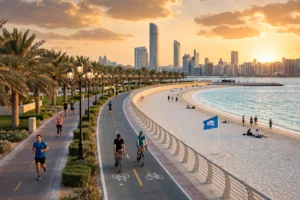
Dubai’s public beaches provide coastal scenery and opportunities for beach activities.
These destinations are not direct alternatives because they offer different experiences. Your choice depends on whether you prefer heritage, mountains or the coastline.
If you enjoy outdoor travel, you can also explore our Hatta Dam Guide and Dubai Public Beaches Guide for more ideas.
Frequently Asked Questions About Al Ain Oasis
1. Where is Al Ain Oasis located?
Al Ain Oasis is located in central Al Ain, in the Emirate of Abu Dhabi, United Arab Emirates.
2. What is Al Ain Oasis famous for?
It is known for its date palm gardens, traditional falaj irrigation system and historic agricultural landscape.
3. Can visitors walk through Al Ain Oasis?
Visitors can explore designated walking areas and enjoy the palm gardens. Follow the current visitor instructions and stay within permitted areas.
4. What is the falaj system at Al Ain Oasis?
The falaj is a traditional irrigation system that distributes water through channels to agricultural land and gardens.
5. Is Al Ain Oasis worth visiting?
It may be worth visiting if you are interested in nature, traditional farming, local history and peaceful outdoor environments.
6. How long should I spend at Al Ain Oasis?
The time depends on how much of the oasis you want to explore. A shorter visit may suit a simple walk, while visitors interested in the history and irrigation system may prefer more time.
7. What is the best time to visit Al Ain Oasis?
The cooler months are generally more comfortable for outdoor exploration. During summer, consider visiting during a cooler part of the day.
8. Is Al Ain Oasis suitable for families?
It can be a suitable family destination for visitors interested in outdoor walks and cultural learning. Consider the weather and supervise children throughout the visit.
9. Can I take photographs at Al Ain Oasis?
Visitors can enjoy photographing the palm gardens and surrounding scenery, subject to local rules. Respect other visitors and any photography restrictions.
10. Can I visit Al Ain Oasis on a day trip?
Yes, it can be included in a day trip to Al Ain. If you are travelling from Dubai or Abu Dhabi city, plan enough time for the journey and other activities.
Final Thoughts
Al Ain Oasis offers visitors an opportunity to discover an important part of the UAE’s agricultural and cultural heritage.
Its date palm gardens, shaded pathways and traditional falaj irrigation system provide a different experience from the country’s modern city attractions.
Whether you are interested in history, nature photography or a peaceful outdoor walk, the oasis can be a worthwhile addition to an Al Ain itinerary.
Before travelling, check visitor arrangements, plan around the weather and allow enough time to explore. A little preparation can help you enjoy this historic green destination at a comfortable pace.