The United Arab Emirates is famous for its modern cities, impressive skyscrapers and luxury attractions. However, there is another destination that offers a different experience from the busy streets of Dubai and Abu Dhabi: Al Ain.
Known as the Garden City of the UAE, Al Ain is famous for its green landscapes, historic forts, traditional oases and beautiful mountain scenery. It is located in the Emirate of Abu Dhabi and offers visitors an opportunity to explore the country’s natural and cultural heritage.
Whether you are planning a family holiday, a weekend trip or a day out from Abu Dhabi, Al Ain has several attractions worth exploring. You can walk through traditional palm gardens, discover historic buildings, visit family attractions and enjoy views from the mountains.
This Al Ain travel guide covers the best places to visit, things to do, transport options, suggested itineraries and practical tips to help you plan your trip.
Where Is Al Ain Located?
Al Ain is a city in the Emirate of Abu Dhabi, located in the eastern part of the UAE near the border with Oman.
It is one of the country’s well-known inland destinations and has a different atmosphere from coastal cities such as Dubai and Abu Dhabi. Instead of beaches and skyscrapers, visitors will find palm gardens, historic neighbourhoods, mountain landscapes and cultural attractions.
Al Ain is sometimes called the Garden City because of its green spaces and traditional oasis areas.
If you are exploring more destinations in the capital emirate, read our guide to the Best Places to Visit in Abu Dhabi for First-Time Visitors.
Why Should You Visit Al Ain?
Al Ain is a good destination for travellers who want to discover another side of the UAE.
The city combines nature, history, culture and family entertainment. It can also be a refreshing change for visitors who have already explored Dubai’s shopping malls and modern attractions.
Here are some reasons to consider visiting:
- Historic attractions: Explore traditional forts, museums and heritage buildings.
- Natural landscapes: Enjoy palm gardens, mountain scenery and outdoor spaces.
- Cultural experiences: Learn about the history and traditional lifestyle of the region.
- Family activities: Discover attractions suitable for different age groups.
- Photography opportunities: Capture historic architecture, green landscapes and mountain views.
- Relaxed atmosphere: Experience a different pace compared with the UAE’s larger coastal cities.
Al Ain is particularly interesting for visitors who enjoy history, nature and cultural sightseeing.
Best Places to Visit in Al Ain
Al Ain has a variety of attractions, from traditional heritage sites to outdoor destinations. The following places can help you plan a memorable visit.
1. Al Ain Oasis
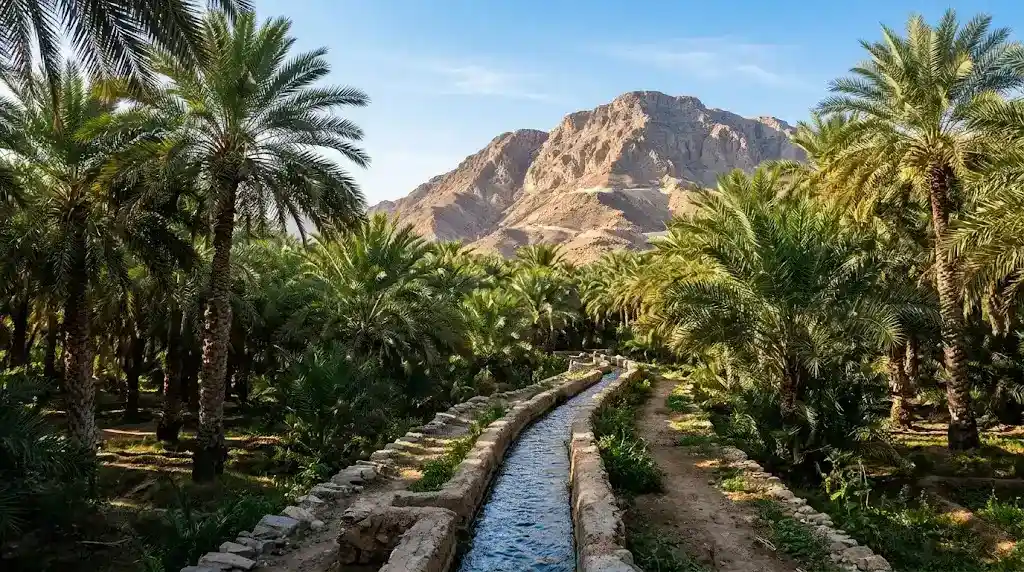
Al Ain Oasis is one of the city’s most recognisable attractions. It is a large traditional oasis featuring thousands of date palm trees and a historic irrigation system.
Walking through the oasis gives visitors an opportunity to experience a greener and quieter environment. The shaded pathways and palm gardens offer a pleasant contrast to the surrounding urban landscape.
One of the interesting features of the oasis is the traditional falaj irrigation system. This system has been used for generations to distribute water to agricultural areas.
Visitors interested in history, agriculture and traditional architecture may particularly enjoy this attraction.
Visitor tips:
- Wear comfortable walking shoes.
- Carry drinking water.
- Respect the gardens and surrounding environment.
- Check current visitor access and facilities before travelling.
- Allow enough time to explore the pathways.
2. Jebel Hafeet
Jebel Hafeet is one of the most famous natural landmarks in Al Ain. This mountain rises above the surrounding landscape and offers impressive views of the city and desert scenery.
The mountain road is a popular part of the experience, attracting visitors interested in scenic drives and photography.
There are viewpoints where visitors can appreciate the surrounding landscape, depending on access and current conditions.
If you plan to drive up the mountain, check road conditions and make sure your vehicle is suitable. Drive carefully, follow road signs and avoid stopping in unsafe locations.
Jebel Hafeet is particularly appealing to visitors who enjoy natural landscapes and panoramic views.
3. Al Jahili Fort
Al Jahili Fort is an important historic landmark in Al Ain. It is known for its traditional defensive architecture and cultural significance.
The fort offers visitors a chance to learn more about the region’s history and heritage.
Its traditional walls and architectural design also make it an interesting location for photography.
Visitors who enjoy historical places may want to include Al Jahili Fort in their itinerary alongside other heritage attractions in the city.
Before visiting, check the latest opening information and any exhibition arrangements.
4. Qasr Al Muwaiji
Qasr Al Muwaiji is another important heritage site in Al Ain. This historic building has a connection to the history of the UAE’s leadership and the development of the country.
The site has been restored and serves as a cultural destination where visitors can learn about the region’s past.
Its traditional architecture and historical displays make it an interesting stop for people who want to understand more about Emirati history.
You can include it in a heritage-focused sightseeing day with Al Jahili Fort and Al Ain Oasis.
5. Al Ain National Museum
Al Ain National Museum is associated with the city’s archaeological and cultural heritage.
A museum visit can help travellers understand how people lived in the region in earlier times, as well as the development of local communities.
Exhibitions and collections may include historical objects and information about traditional life, archaeology and regional culture.
Check the current visitor arrangements before planning your visit, as access and operating schedules can change.
6. Al Ain Zoo
Al Ain Zoo is a well-known family attraction and can be an enjoyable stop for visitors travelling with children.
The zoo focuses on wildlife, animal habitats and conservation-related experiences. Families can spend time exploring different areas and learning about animals.
Because it is a large attraction, it is sensible to allow enough time rather than trying to visit it quickly between several other places.
Before travelling, check current ticket arrangements, opening information, available experiences and any age-related requirements.
For more ideas about family sightseeing in the UAE, explore our guide to Dubai with Kids: Family-Friendly Attractions and Travel Tips.
7. Hili Archaeological Park
Hili Archaeological Park is an important destination for visitors interested in the ancient history of the UAE.
The area is associated with archaeological remains from the Bronze Age and provides insight into early communities that lived in the region.
It is particularly interesting for travellers who enjoy history and archaeology.
You can combine a visit with other cultural attractions in Al Ain, depending on your schedule and the site’s current visitor arrangements.
8. Green Mubazzarah
Green Mubazzarah is an attractive outdoor area located near the base of Jebel Hafeet.
It is known for its green surroundings and recreational spaces, making it a popular place for people who want to relax outdoors.
Visitors may enjoy walking, spending time with family and appreciating the mountain scenery.
Facilities and access arrangements can change, so check current information before planning a visit.
Best Things to Do in Al Ain
Al Ain is not only about visiting historic buildings. There are several ways to enjoy the city depending on your interests.
1. Explore Traditional Oases
Walking through an oasis is one of the experiences that makes Al Ain different from other UAE cities.
The palm trees, shaded pathways and traditional irrigation system provide an opportunity to learn about the region’s agricultural heritage.
Take your time, enjoy the surroundings and respect the local environment.
2. Enjoy Mountain Views at Jebel Hafeet
If you enjoy scenic landscapes, Jebel Hafeet is worth considering.
The mountain provides a different perspective of Al Ain, with views across the surrounding landscape.
You can plan a visit during a suitable time of day, taking weather conditions and visibility into account.
3. Discover Emirati History
Al Ain has several heritage attractions that introduce visitors to traditional architecture and the history of the region.
Al Jahili Fort, Qasr Al Muwaiji and the city’s archaeological sites can be included in a cultural sightseeing plan.
4. Spend Time with Family
Families can consider attractions such as Al Ain Zoo, Green Mubazzarah and other suitable public spaces.
Choose activities according to children’s ages and interests. Check visitor rules and facilities before travelling.
5. Enjoy Photography
Al Ain offers a variety of photography opportunities.
You can capture mountain views, traditional forts, palm gardens and historic buildings.
Remember to follow photography rules at individual attractions and respect the privacy of other visitors.
Best Time to Visit Al Ain
Weather is an important factor when planning a trip to Al Ain, particularly if you want to explore outdoor attractions.
October to March
The cooler months are generally more comfortable for outdoor sightseeing.
Visitors can enjoy walks through the oasis, explore heritage sites and spend time around mountain attractions with more comfortable daytime temperatures than during summer.
This is a suitable period for people who want to explore several outdoor locations during one trip.
April to May
Temperatures gradually become warmer during these months.
Outdoor sightseeing may still be possible, but it is sensible to plan activities around the weather and take breaks when needed.
Carry drinking water and avoid unnecessary exposure to intense heat.
June to September
Summer in the UAE can be extremely hot.
Indoor attractions, museums and other air-conditioned places may be more comfortable options during the hottest parts of the day.
If you plan to visit outdoor attractions, check the weather and any activity restrictions before leaving.
How to Travel to Al Ain
The best way to reach Al Ain depends on your starting location, budget and transport preferences.
Travelling from Abu Dhabi
Visitors travelling from Abu Dhabi can plan a road journey to Al Ain.
You can use a personal vehicle, rental car or suitable transport service. Check your route and expected travel time before departure because traffic and road conditions can affect the journey.
For more information about exploring the capital, see our Abu Dhabi Travel Budget.
Travelling from Dubai
Al Ain can also be visited from Dubai as a longer day trip or an overnight visit.
Travelling by car offers flexibility, especially if you want to visit several attractions in one day.
If you prefer not to drive, check available transport services and return journey options before making your plans.
You can also read our guide on How to Travel from Dubai to Abu Dhabi for information about travelling between the two major cities.
Getting Around Al Ain
Once you reach Al Ain, you may need transport to move between attractions because some locations are spread across different parts of the city.
A personal or rental car can make sightseeing easier. Taxis and other transport options may also be available.
If you are relying on public transport, check routes and service information in advance rather than assuming every attraction has a convenient connection.
Suggested One-Day Al Ain Itinerary
If you have only one day available, it is better to choose a manageable number of attractions rather than trying to see everything.
Here is an example itinerary that combines history, nature and sightseeing.
Morning: Al Ain Oasis
Start your day at Al Ain Oasis.
Explore the palm gardens and learn about the traditional falaj irrigation system. Allow enough time to enjoy the peaceful environment.
Late Morning: Al Jahili Fort
Continue to Al Jahili Fort and explore its historic architecture.
If you enjoy cultural attractions, you can also consider visiting Qasr Al Muwaiji, depending on opening arrangements and available time.
Afternoon: Al Ain Zoo
Spend part of the afternoon at Al Ain Zoo if it fits your interests and schedule.
Families may want to allow extra time for exploring the attraction comfortably.
Late Afternoon: Jebel Hafeet
If weather, visibility and time permit, consider ending your day with a visit to Jebel Hafeet.
Enjoy the mountain views and plan your return journey carefully.
This is a suggested itinerary rather than a fixed schedule. Check opening arrangements, travel times and current conditions before visiting each attraction.
What to Pack for an Al Ain Trip
Packing a few useful items can make your visit more comfortable.
Consider taking:
- Comfortable shoes: Useful for walking around oases, heritage sites and outdoor areas.
- Drinking water: Important when exploring outdoor attractions.
- Sunscreen: Helps protect your skin from the sun.
- Sunglasses and a hat: Useful during sunny weather.
- Mobile phone: Helpful for navigation, communication and photography.
- Power bank: Useful during a full day of sightseeing.
- Light clothing: Choose comfortable clothes suitable for the weather and your planned activities.
For a more detailed checklist, read our Dubai Packing List: What to Pack for Every Season.
Is Al Ain Suitable for Families?
Yes, Al Ain can be a good destination for families looking for a combination of nature, culture and entertainment.
Families may enjoy Al Ain Zoo, the oasis, suitable outdoor spaces and heritage attractions.
However, not every attraction or activity is suitable for every age group.
Before visiting:
- Check age recommendations for individual attractions.
- Plan breaks between sightseeing stops.
- Carry enough drinking water.
- Choose comfortable footwear.
- Check facilities available for children.
- Avoid demanding outdoor activities during extreme heat.
If you are planning a wider family holiday, you can also explore our Best Places to Visit in Abu Dhabi guide.
How Much Does an Al Ain Trip Cost?
The cost of visiting Al Ain depends on how you travel, how many attractions you visit and whether you are travelling alone or with family.
Some outdoor sightseeing experiences may have different costs from ticketed attractions and organised activities.
Consider these possible expenses when preparing your budget:
- Transport or fuel.
- Attraction tickets.
- Food and drinks.
- Parking, where applicable.
- Optional activities.
- Accommodation for an overnight stay.
Ticket prices, transport costs and activity fees can change. Check current prices before travelling instead of relying on old estimates.
For general money-saving advice while exploring the UAE, read our Dubai on a Budget guide.
Important Travel Tips for Visiting Al Ain
A little preparation can help you enjoy your trip without unnecessary stress.
1. Plan Your Attractions
Choose the places you want to visit before leaving. Some attractions are located away from one another, so planning your route can save time.
2. Check Opening Information
Museums, heritage attractions and family destinations may have different schedules. Check current visitor information before travelling.
3. Prepare for the Weather
Outdoor attractions can be challenging during hot weather. Plan outdoor activities at suitable times and carry enough water.
4. Respect Heritage Sites
Follow visitor instructions, avoid touching protected objects and respect any photography restrictions.
5. Allow Enough Travel Time
Do not schedule too many attractions close together. Traffic and travel distances may affect your plans.
6. Keep Your Transport Plan Ready
If you are travelling without a personal vehicle, confirm how you will reach each attraction and return to your accommodation.
7. Keep the Environment Clean
Dispose of rubbish responsibly and respect natural areas, gardens and public spaces.
For more general travel planning advice, read our Dubai Travel Tips for First-Time Visitors.
Is Al Ain Worth Visiting?
Al Ain is worth considering if you want to explore a different side of the UAE.
The city offers a combination of historic forts, traditional oases, archaeological attractions, mountain scenery and family experiences.
It is particularly appealing to travellers who enjoy cultural sightseeing and natural landscapes rather than spending their entire holiday in shopping malls and modern city centres.
You may want to spend a full day exploring the main attractions or stay longer if you prefer a relaxed travel experience.
The best plan depends on your interests, available time and transport arrangements.
Frequently Asked Questions About Al Ain
1. What is Al Ain famous for?
Al Ain is famous for its traditional oases, historic forts, archaeological sites, Jebel Hafeet and green landscapes. It is also known as the Garden City of the UAE.
2. Is Al Ain part of Abu Dhabi?
Yes. Al Ain is a city within the Emirate of Abu Dhabi, located in the eastern part of the UAE.
3. What are the best places to visit in Al Ain?
Popular attractions include Al Ain Oasis, Jebel Hafeet, Al Jahili Fort, Qasr Al Muwaiji, Al Ain Zoo, Hili Archaeological Park and Green Mubazzarah.
4. Can I visit Al Ain in one day?
Yes. You can visit a selection of attractions in one day if you plan your route carefully. However, you may need more time if you want to explore the city at a relaxed pace.
5. Is Al Ain good for families?
Yes. The city offers family-friendly attractions, outdoor spaces, heritage sites and opportunities to explore nature. Check individual attraction rules and age requirements before visiting.
6. What is the best time to visit Al Ain?
The cooler months, generally October to March, are often more comfortable for outdoor sightseeing. Always check the weather before your trip.
7. Can tourists visit Jebel Hafeet?
Jebel Hafeet is a well-known destination for visitors who want to enjoy mountain scenery and panoramic views. Check current road and access conditions before travelling.
8. How can I travel from Dubai to Al Ain?
Visitors can consider travelling by personal car, rental vehicle or suitable transport services. Check the route and travel arrangements before leaving.
9. Is Al Ain expensive to visit?
The total cost depends on transport, attraction tickets, food and optional activities. You can manage your spending by planning your route and checking prices in advance.
10. How many days are enough for Al Ain?
One day may be enough for a selection of major attractions. Two days or more can provide a more relaxed experience and allow time to explore additional places.
Final Thoughts
Al Ain is one of the UAE’s most interesting destinations for visitors who want to explore history, nature and traditional culture.
From the palm gardens of Al Ain Oasis to the mountain views of Jebel Hafeet, the city offers experiences that are different from the modern attractions of Dubai and Abu Dhabi.
Plan your route, check attraction information, prepare for the weather and allow enough time between destinations. With a little preparation, Al Ain can become a memorable part of your UAE travel experience.