The United Arab Emirates is home to more than modern cities, luxury hotels and impressive skyscrapers. Across the country, visitors can also discover ancient landscapes, archaeological discoveries and places that reveal how people lived thousands of years ago.
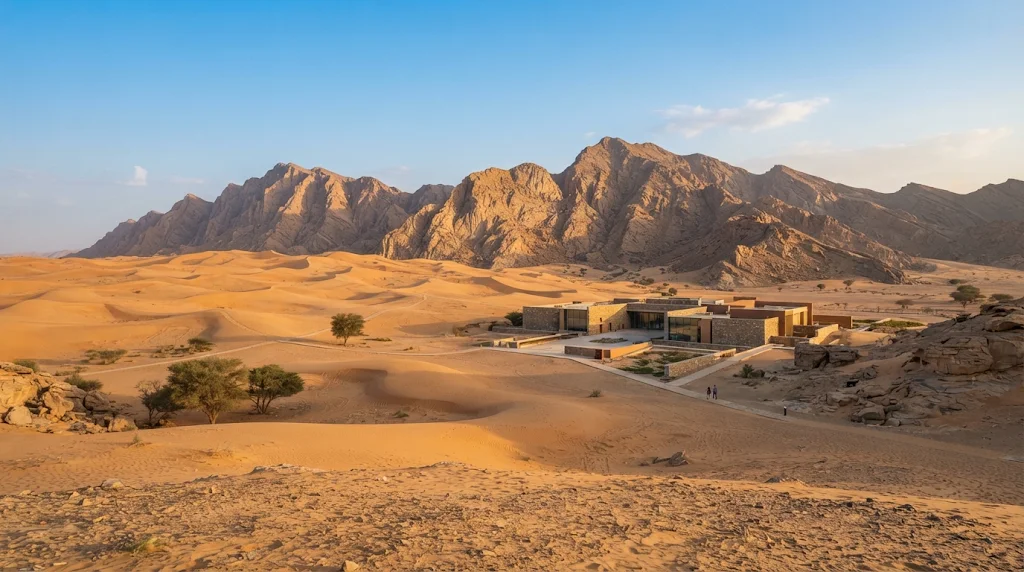
One destination that offers a closer look at this history is Mleiha Archaeological Centre in Sharjah. Located in a desert landscape surrounded by rocky mountains and open plains, Mleiha provides an opportunity to explore the region’s archaeological heritage and understand its connection with early human communities.
Unlike traditional city attractions, a visit to Mleiha combines history, desert scenery and educational experiences. It can be an interesting destination for travellers who want to discover a different side of the UAE.
This guide covers what Mleiha Archaeological Centre is, what visitors can experience, nearby natural scenery, the best time to visit and practical tips for planning your trip.
What Is Mleiha Archaeological Centre?
Mleiha Archaeological Centre is a cultural and heritage destination in the Mleiha area of Sharjah, United Arab Emirates.
The centre introduces visitors to the archaeological importance of the surrounding region. Mleiha is known for evidence of human activity from different periods, helping researchers and visitors understand the history of settlement and life in this part of the Arabian Peninsula.
The centre provides an introduction to the area’s archaeological discoveries and the stories connected with them.
Visitors interested in history can learn about ancient communities, objects discovered in the region and the importance of protecting archaeological sites.
The surrounding desert landscape is also an important part of the experience. Rocky formations, open sandy areas and distant mountains create a setting that feels very different from Sharjah’s urban districts.
Where Is Mleiha Archaeological Centre Located?
Mleiha Archaeological Centre is located in the Mleiha region of Sharjah, in the eastern part of the emirate.
The area is known for its desert environment, archaeological sites and distinctive geological landscape.
Because Mleiha is outside the main urban areas of Sharjah, visitors should plan their journey in advance.
If you are travelling from Dubai or central Sharjah, check the route, expected travel time and transport arrangements before leaving.
It is also useful to identify the centre as your main destination rather than relying on a general search for Mleiha. This helps you reach the visitor facility instead of an unrelated location in the wider desert region.
Why Is Mleiha Important?
Mleiha is important because it provides evidence of the region’s long human history.
Archaeological discoveries from the area help explain how people lived, used resources and developed communities in different historical periods.
1. Evidence of Ancient Communities
The wider Mleiha region contains archaeological remains that help researchers understand earlier human settlement.
Different discoveries provide information about the people who lived in the area, their activities and their connections with neighbouring regions.
For visitors, these findings make Mleiha more than a desert sightseeing destination. They provide a connection to the UAE’s history before the development of its modern cities.
2. Archaeological Discoveries
Objects and remains discovered in the Mleiha region contribute to the understanding of ancient life.
Archaeological material can help explain trade, daily activities, burial traditions and cultural connections.
The centre introduces visitors to this heritage in a more accessible way than exploring archaeological research independently.
3. Natural and Geological Landscapes
Mleiha is also recognised for its distinctive natural surroundings.
The region includes rocky hills, desert plains and geological formations that make it visually interesting.
These landscapes provide a useful reminder that the UAE has a varied natural environment beyond its coastline and modern urban areas.
4. Cultural Heritage of Sharjah
Sharjah has several cultural and heritage destinations that help visitors understand the emirate’s history.
Mleiha adds an archaeological perspective to this wider heritage experience.
It can be a valuable stop for travellers who want to learn about the region rather than focusing only on shopping and entertainment.
Best Things to Do at Mleiha Archaeological Centre
A visit to Mleiha can include educational activities, exploration of the visitor facilities and appreciation of the surrounding desert landscape.
The exact activities available may depend on current schedules, weather and operating arrangements.
1. Explore the Archaeological Exhibitions
One of the main reasons to visit the centre is to learn about the area’s archaeological history.
The exhibitions introduce visitors to discoveries from the Mleiha region and explain why they are important.
Take time to read the displays rather than moving quickly through the building. Understanding the historical background can make the surrounding landscape more meaningful.
If you are visiting with children, exhibitions can also provide an opportunity to discuss how archaeologists learn about ancient communities.
2. Learn About Life in Ancient Mleiha
The history of Mleiha provides an insight into how people lived in an environment very different from modern urban life.
Visitors can learn about the region’s archaeological periods, cultural connections and the evidence left behind by earlier communities.
This experience can be particularly interesting for travellers who enjoy history and educational attractions.
3. Discover the Desert Landscape
The landscape surrounding Mleiha is one of its most distinctive features.
Visitors can appreciate the open desert environment, rocky formations and mountain scenery.
The region offers a different type of outdoor experience from the beaches of Dubai or the green agricultural landscape of Al Ain.
If you enjoy nature photography, the desert scenery can provide interesting subjects throughout the day.
4. Enjoy Photography
Mleiha’s natural surroundings create opportunities for landscape photography.
You can photograph the desert terrain, rocky mountains and the contrast between the natural environment and the visitor facilities.
Morning and late afternoon may provide softer natural light, depending on the weather.
Always follow site rules and avoid entering restricted archaeological areas for photographs.
5. Explore Available Outdoor Experiences
The wider Mleiha destination is associated with outdoor and adventure experiences.
Depending on current arrangements, visitors may find organised activities that allow them to explore the surrounding landscape.
These experiences may require advance reservations, additional fees or specific safety requirements.
Check the current activity details before travelling rather than assuming that every experience is available on the day of your visit.
What Can You Learn About Archaeology at Mleiha?
Archaeology is the study of past human life through physical evidence.
This evidence may include buildings, tools, pottery, burial sites and other objects left behind by earlier communities.
Mleiha provides an opportunity to understand why these discoveries matter.
How Archaeologists Study the Past
Archaeologists examine objects and remains to develop a better understanding of earlier societies.
They consider where an object was found, how it was made and what it may reveal about daily life.
The location and relationship between discoveries can be just as important as the objects themselves.
Why Archaeological Sites Need Protection
Archaeological remains are valuable because they provide information that cannot always be recovered once a site is damaged.
Visitors should respect barriers, follow signs and avoid removing objects from the landscape.
Responsible tourism helps protect these places so that future visitors and researchers can continue learning from them.
Best Time to Visit Mleiha Archaeological Centre
Weather is an important consideration when planning a trip to Mleiha because the surrounding environment is largely outdoors.
Winter Months
The cooler months are generally more comfortable for visiting desert destinations in the UAE.
Visitors may find it easier to explore the surrounding landscape and participate in outdoor experiences during this period.
This can be a suitable time for travellers who want to combine Mleiha with other outdoor attractions.
Summer Months
Summer temperatures in the UAE can become extremely high, especially in open desert environments.
If you plan to visit during warmer months, check the weather and the centre’s current operating arrangements.
Choose suitable clothing, carry drinking water and avoid unnecessary exposure to direct sunlight.
Morning Visits
Morning visits may provide comfortable conditions for exploring the outdoor surroundings.
The light can also be useful for photography, depending on the season and weather.
Check the visitor schedule before leaving to ensure you have enough time for the activities you want to experience.
Late Afternoon Visits
Late afternoon can offer attractive natural lighting across the desert landscape.
However, do not assume that every outdoor activity operates until sunset.
Confirm the schedule and allow enough time to complete your visit.
How to Reach Mleiha Archaeological Centre
Mleiha is outside the main urban areas of Sharjah, so transport planning is important.
By Car
Driving is a practical option for many visitors.
A private vehicle gives you flexibility when travelling to Mleiha and exploring other destinations in the surrounding region.
Before leaving:
- Check the route and traffic conditions.
- Allow enough time for the journey.
- Confirm the destination and parking arrangements.
- Carry drinking water.
- Follow road signs.
- Use permitted roads and designated parking areas.
Do not assume that a normal visit to the centre requires driving across unmarked desert terrain.
By Taxi or Private Transport
A taxi or private transport service may be an option, depending on availability and the service area.
Confirm the destination and fare before starting your journey.
If you are planning a return trip, arrange transport in advance rather than assuming that a vehicle will always be available nearby.
By Organised Tour
Some visitors prefer organised experiences that include transport and selected activities.
This may be useful if you are unfamiliar with the area or want to explore more than one attraction.
Before booking, check the itinerary, included services, activity requirements and total duration.
What Should You Bring to Mleiha?
Preparing a few basic items can make your visit more comfortable.
Drinking water: Carry enough water, especially if you plan to spend time outdoors.
Comfortable footwear: Choose shoes suitable for walking around visitor areas.
Sun protection: Sunglasses, a hat and suitable sunscreen can help during sunny conditions.
Camera or phone: Bring a device for capturing the desert landscape and exhibitions where photography is permitted.
Light clothing: Wear comfortable clothing suitable for the weather while respecting local customs.
Payment method: Keep a suitable payment option available for tickets, transport, food or additional activities.
Personal essentials: Bring anything you may need during your visit, particularly if you plan to explore the wider area afterward.
Is Mleiha Suitable for Families?
Mleiha can be an interesting destination for families who enjoy educational travel, history and nature.
Children may find the archaeological displays useful for learning about ancient communities and how researchers study the past.
The desert environment can also provide an opportunity to discover the natural landscape of the UAE.
Before visiting with children, consider:
- The age suitability of the activities.
- The amount of outdoor walking involved.
- The weather and temperature.
- Available visitor facilities.
- Any activity booking or supervision requirements.
Keep children under supervision and follow all instructions at archaeological and outdoor areas.
Mleiha Compared With Other UAE Outdoor Destinations
The UAE has several destinations that offer different outdoor and cultural experiences.
Mleiha is especially interesting for visitors who want to learn about archaeology and desert heritage.
Hatta Dam offers a mountain and reservoir environment, with outdoor recreation such as kayaking.
Al Ain Oasis provides a look at traditional agriculture, date palm gardens and the historic falaj irrigation system.
These destinations offer different experiences, so the best choice depends on your interests.
If you enjoy exploring the UAE beyond its major cities, you can also read our Hatta Dam Guide and Al Ain Oasis Guide.
Useful Tips Before Visiting Mleiha
A little preparation can make your trip easier.
- Check current opening hours: Confirm the visitor schedule before travelling.
- Review activity availability: Outdoor experiences may require advance reservations.
- Plan your transport: Allow enough time to reach the destination.
- Check the weather: Desert conditions can become uncomfortable during warmer periods.
- Carry drinking water: This is important for outdoor visits.
- Respect archaeological remains: Do not touch, remove or damage historical objects.
- Follow designated routes: Avoid entering restricted areas.
- Wear suitable clothing: Choose comfortable clothing and footwear.
- Keep the environment clean: Take your rubbish with you or use designated bins.
- Allow enough time: Explore the exhibitions and surrounding visitor areas without rushing.
Frequently Asked Questions About Mleiha Archaeological Centre
1. Where is Mleiha Archaeological Centre located?
Mleiha Archaeological Centre is located in the Mleiha region of Sharjah, United Arab Emirates.
2. What is Mleiha famous for?
Mleiha is known for its archaeological heritage, historical discoveries and desert landscapes.
3. Is Mleiha Archaeological Centre worth visiting?
It may be worth visiting if you are interested in UAE history, archaeology, cultural heritage and natural desert scenery.
4. What can visitors do at Mleiha?
Visitors can explore archaeological exhibitions, learn about ancient communities, enjoy the desert scenery and check the availability of organised outdoor experiences.
5. Is Mleiha suitable for children?
It can be an educational destination for families. Parents should check activity requirements, visitor arrangements and weather conditions before travelling.
6. How long should I spend at Mleiha?
The time depends on your interests and the activities you choose. Allow additional time if you plan to explore the wider area.
7. What is the best time to visit Mleiha?
The cooler months are generally more comfortable for outdoor exploration. During summer, check the weather and plan carefully.
8. Can I visit Mleiha from Dubai?
Yes, visitors can plan a trip from Dubai by arranging suitable transport and allowing enough time for the journey.
9. Do outdoor activities at Mleiha require booking?
Some organised experiences may require advance reservations. Check current availability and participation requirements before travelling.
10. What should I wear when visiting Mleiha?
Wear comfortable clothing and suitable footwear for the weather and activities. Respect local customs and any specific activity instructions.
Final Thoughts
Mleiha Archaeological Centre offers a different way to discover the United Arab Emirates.
Its archaeological heritage, educational exhibitions and surrounding desert landscape provide an experience that goes beyond the country’s modern city attractions.
Whether you are interested in ancient history, cultural discoveries or desert scenery, Mleiha can be a worthwhile addition to a Sharjah travel itinerary.
Before visiting, check the current schedule, plan your transport and prepare for the outdoor conditions. Respect the archaeological environment and follow visitor instructions to help protect this important part of the UAE’s heritage.